The Best Ways to Use StreetTongue to Actually Learn a Language
Five study systems for five types of learners. Whether you have 15 minutes a day or you are already living in the city, here is how to build real fluency with the app.
No guides match these filters yet. Try clearing the city or audience.

Five study systems for five types of learners. Whether you have 15 minutes a day or you are already living in the city, here is how to build real fluency with the app.

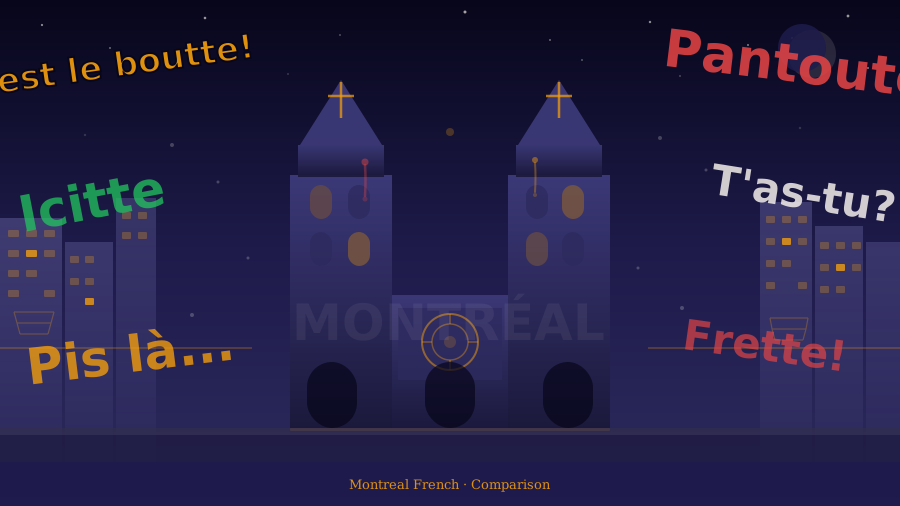
Québécois French sounds nothing like what you learned in class. This guide covers the words, sounds, and phrases that actually run Montreal street life.

The honest answer about Spanish fluency in Medellín: what level gets you by, what gets you in, and what actually matters before you land.

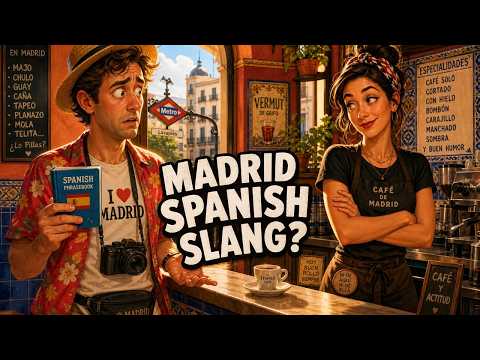
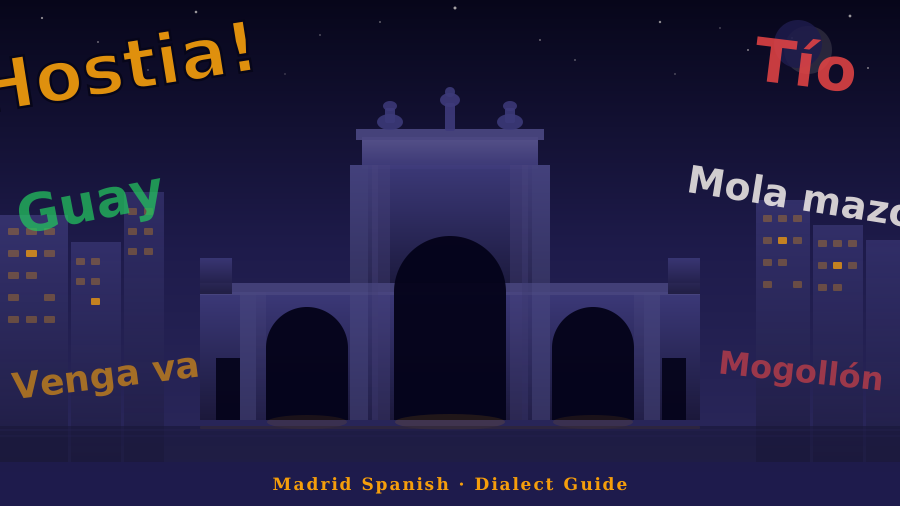
The honest answer on how much Spanish you actually need in Madrid: from zero words to comfortable daily life, level by level.

A practical Spanish guide for digital nomads in CDMX: the phrases that actually matter for coworking, apartments, cafés, visas, and daily life in Roma Norte and beyond.

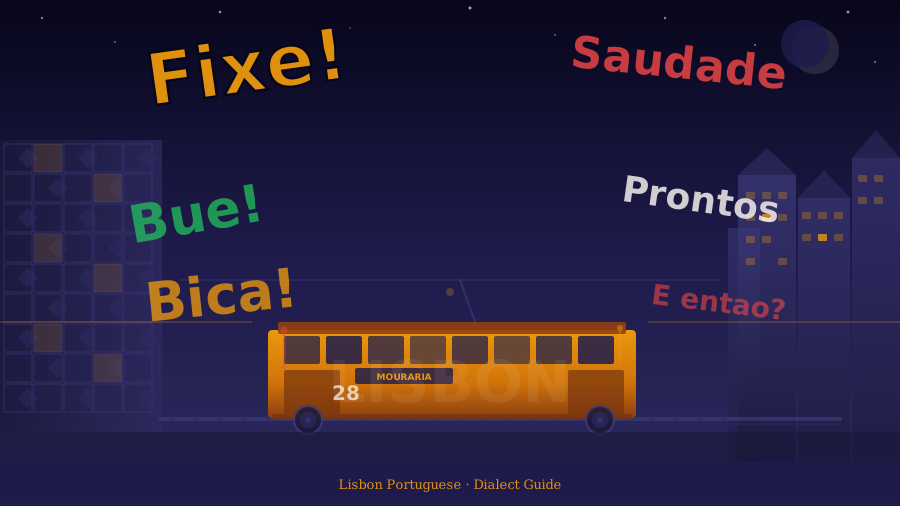
The honest answer to how much Portuguese you actually need in Lisbon, level by level, from zero words to comfortable daily life.

The honest answer to how much language you actually need to live, work, and thrive in Barcelona — and what to learn before you arrive.

Porteño Spanish sounds like nowhere else in Latin America. Here is what makes it unique and the phrases you need before you arrive.

Istanbul Turkish is the standard dialect, but street speech moves fast and runs on cultural vocabulary no textbook covers. Here is what you actually need.

You learned standard Japanese. You got comfortable. Then you arrived in Osaka and half the words were different. Here is what actually changed and what to do about it.

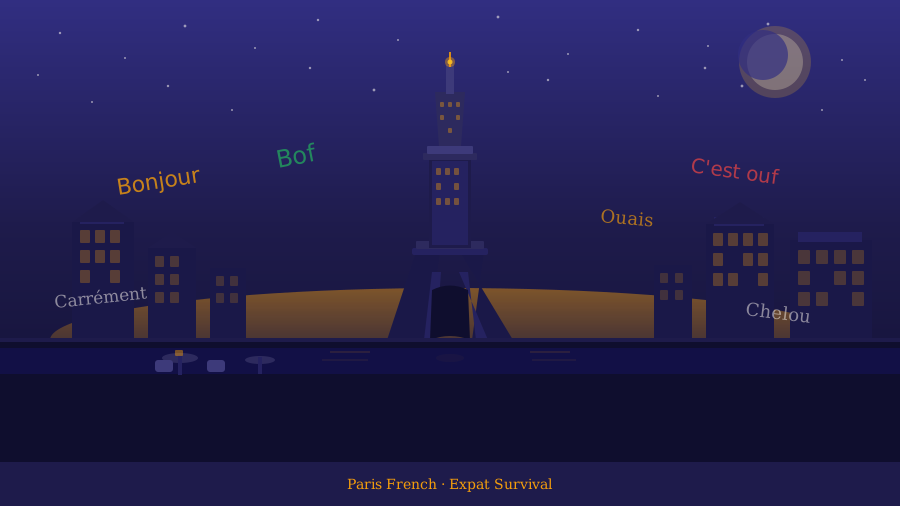
You learned textbook French. You can order a croissant and ask for directions. Then someone in Paris says "c'est chelou" and "je kiffe trop ça" and the conversation vanishes entirely. Here is what Parisian French actually sounds like.
Bangkok Thai is tonal, script-based, and unlike any European language. Here is what you actually need to communicate once you land.
Berlin runs on English in the expat bubble. But German opens the rest of the city. Here is the honest level-by-level breakdown, plus the specific words Berlin will throw at you that no textbook covers.
Paisa Spanish is warm, melodic, and full of words you will never find in a textbook. Here is what people actually say on the streets of Medellín.
Both cities speak Spanish. But vos vs tú, the sh sound for ll and y, Lunfardo vs Náhuatl. The two dialects feel like different languages at street speed. Here is the practical breakdown.
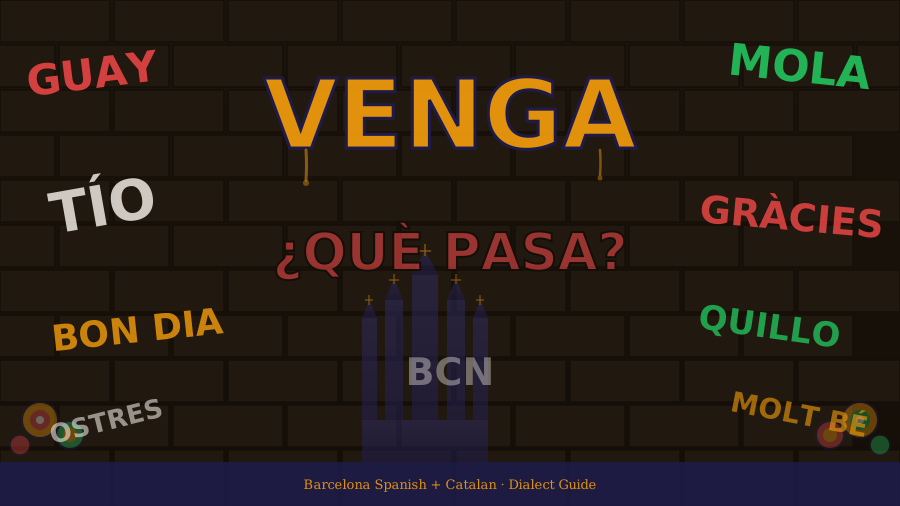
You studied Spanish. You can hold a conversation. Then you land in Madrid and people start saying things like "mola mazo" and "estoy flipando" and none of it makes sense. Here is what you actually need to know.
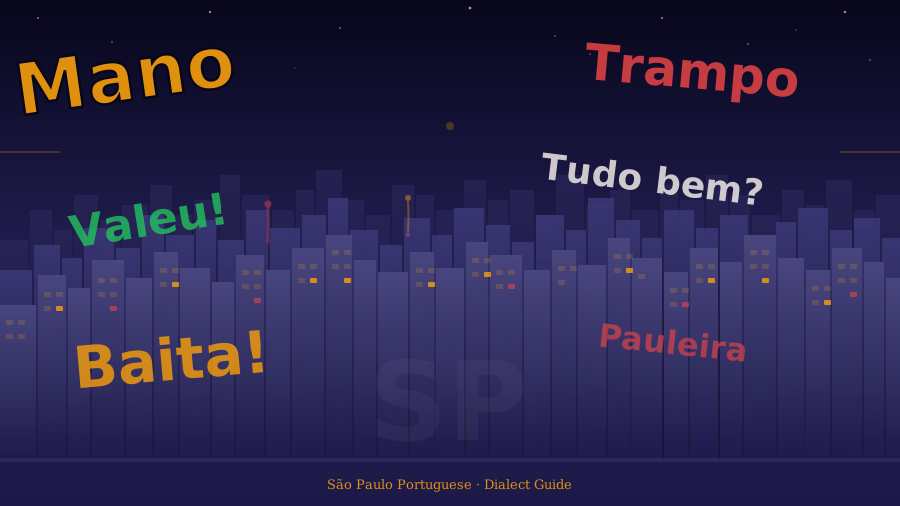
Paulistano Portuguese is fast, direct, and shaped by a century of Italian and Japanese immigration. Here is what you actually need to speak like someone who lives in SP, not someone who downloaded an app.
The one thing I always wanted from a language app: the ability to practice the exact conversation I'm about to have. Now you can.
Carioca Portuguese sounds nothing like what the apps teach. Here are the phrases, pronunciation patterns, and street level slang you actually need to stop sounding like a textbook in Rio.
If you learned Tokyo Japanese and then visited Osaka, you noticed something: the words are different, the melody is different, and everyone seems to be doing comedy. Here is what people actually say on Osaka streets.
You studied Parisian French and then moved to Montreal. Now you understand why everyone looks confused when you speak. Here is what actually changed and how to fix it.
The honest answer: less than you fear to get around, and far more than any app teaches to belong. Level-by-level breakdown for expats and relocators moving to Bangkok.
Lisbon Portuguese sounds nothing like what you learned from an app or a Brazilian textbook. Here is what people actually say in Alfama, Mouraria, and beyond.
Berlin German is blunt, distinct, and full of shortcuts that textbooks never teach. Here is what people actually say in Kreuzberg, Friedrichshain, and beyond.
Anime Japanese, textbook Japanese, and real Tokyo Japanese are three different things. Here are the phrases that actually run daily life in Tokyo, with pronunciation notes and the cultural context that makes them land.
The honest answer: less than you think to survive, and far more than any app teaches to feel at home. Here is the level-by-level breakdown for expats moving to Paris.
Your clinic has an English-speaking coordinator. Everything else in Istanbul does not. Here are the Turkish phrases that cover your appointment, your pharmacy run, your taxi, and your recovery.
Barcelona is bilingual. The Spanish spoken here sounds nothing like Mexico City, and Catalan is everywhere. This is what you actually need to navigate daily life in BCN.
Duolingo is great at what it does. What it does isn't teach you the Spanish you need to actually live in CDMX. Here's the structural problem, and what works instead.
The taco stand is a social ritual with unspoken rules. Here's what to say, how to say it, and what never to do at a CDMX taquería counter.
The honest answer: less than you think to survive, more than most apps give you to actually connect. Here's what level you need for what kind of life in CDMX.
Same language, very different experience. If you learned Spanish from a Spain based app or textbook, here is what changes when you land in Mexico.
Forget textbook Spanish. Here are 50+ real phrases you will hear on the streets of Mexico City, including words that will get you in trouble if you use them wrong.